The Culinary Heritage of Mehsana
Mehsana, the cultural heart of North Gujarat, offers a gastronomic journey that reflects centuries of culinary tradition, agricultural abundance, and cultural diversity. The food culture of Mehsana is deeply rooted in Gujarati traditions, characterized by predominantly vegetarian cuisine that celebrates the natural flavors of fresh vegetables, lentils, grains, and dairy products. The unique cooking techniques, innovative use of spices, and the perfect balance of sweet, salty, and tangy flavors make Mehsani cuisine an unforgettable experience for food enthusiasts and travelers seeking authentic culinary adventures.
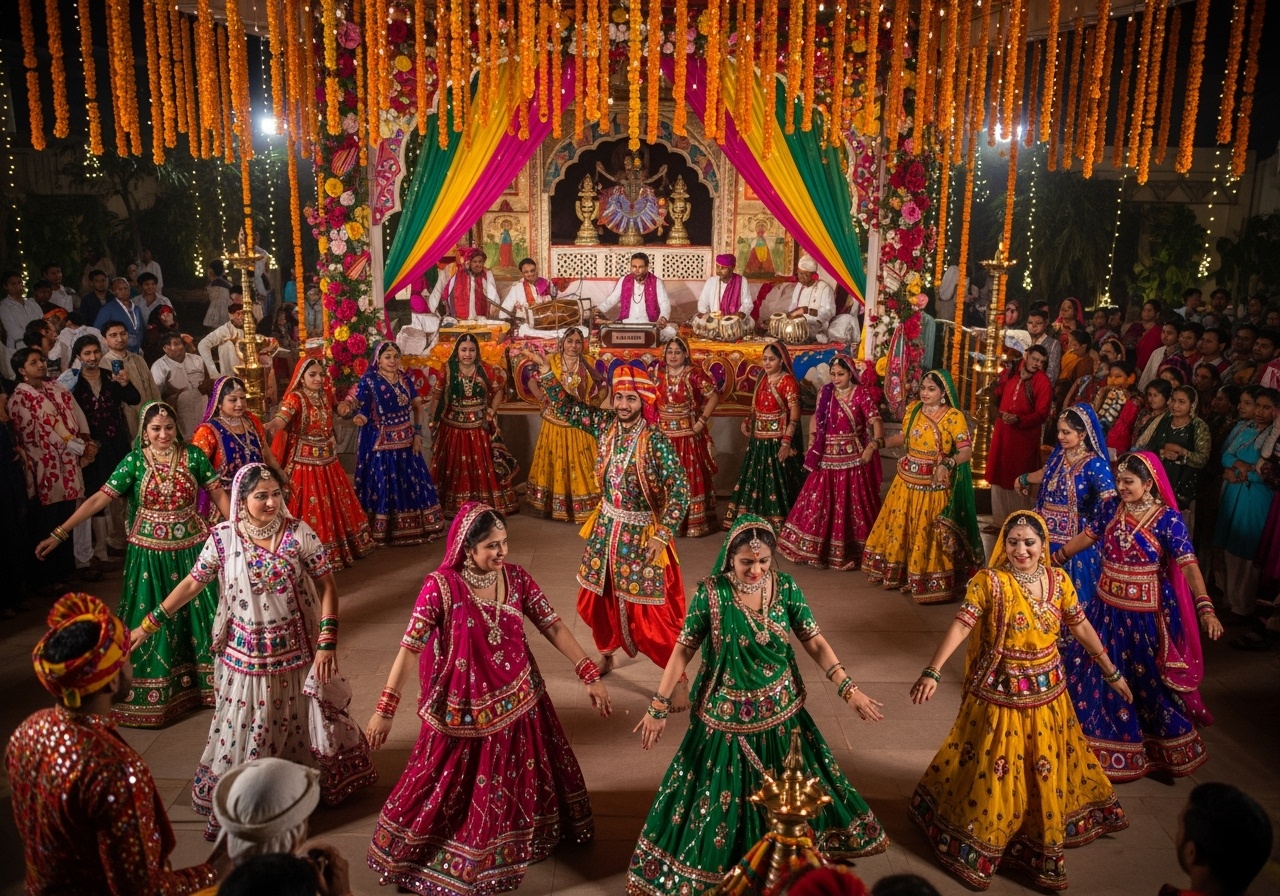
The culinary landscape of Mehsana has been shaped by various historical, geographical, and cultural factors that make it distinct from other regional cuisines in India. The semi-arid climate of North Gujarat has influenced agricultural practices and food preservation techniques, leading to the development of unique cooking methods and flavor profiles that maximize nutrition while ensuring food security during challenging seasons. The presence of various communities, including different Hindu castes, Jains, Muslims, and other ethnic groups, has contributed to the diversity and richness of local food traditions.
Agriculture plays a fundamental role in shaping Mehsana's food culture, with locally grown crops forming the foundation of everyday meals. The region is particularly famous for its high-quality dairy products, thanks to the renowned Mehsani buffalo breed that produces rich, creamy milk with high fat content. This abundant dairy production has made milk, yogurt, buttermilk, and ghee integral components of local cuisine. The fertile soil also supports the cultivation of various vegetables, grains, and spices that form the backbone of traditional Gujarati cooking.
The Traditional Gujarati Thali: A Complete Culinary Experience
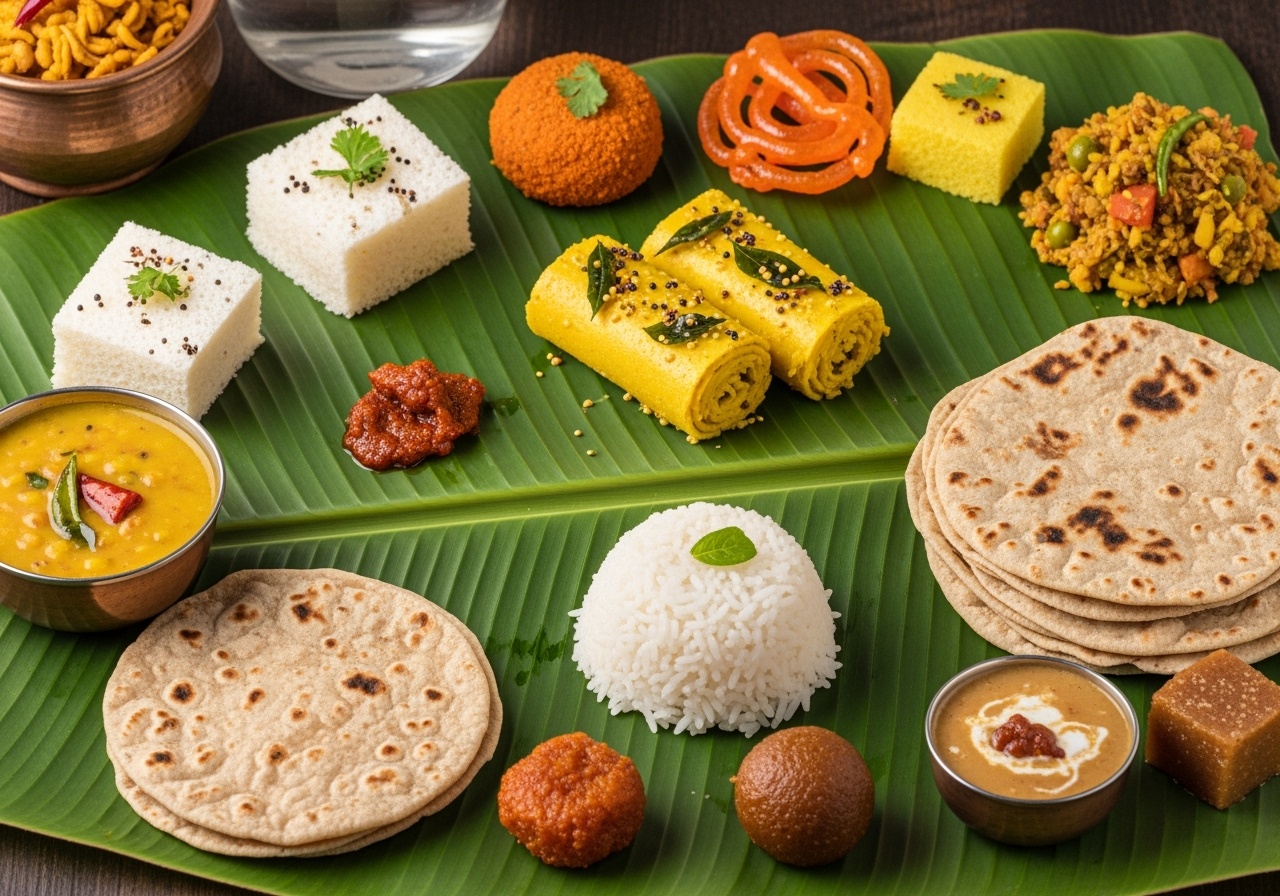
The Gujarati thali represents the pinnacle of Mehsana's culinary tradition, offering a complete and balanced meal that showcases the diversity and sophistication of local cuisine. A traditional thali is far more than just a collection of dishes; it is a carefully orchestrated culinary symphony that balances flavors, textures, colors, and nutritional components to create a harmonious dining experience. The circular arrangement of various dishes on a large plate (thali) or banana leaf follows ancient principles of Ayurveda and traditional nutrition that emphasize the importance of including all six tastes (sweet, sour, salty, bitter, pungent, and astringent) in every meal.
A typical Mehsani thali begins with a small portion of sweet dishes, following the traditional belief that starting with sweets aids digestion and sets a positive tone for the meal. The sweet course might include traditional preparations like kheer (rice pudding), halwa (sweet semolina pudding), or seasonal fruit-based desserts. This is followed by various vegetable preparations (shaak), each cooked with different spice combinations and techniques to create distinct flavors and textures. Common vegetable dishes include ringan no olo (stuffed eggplant), sev tamatar (tomatoes with sev), and bhinda nu shaak (okra curry).
The thali also includes different types of dal (lentil preparations), ranging from simple toor dal with turmeric and salt to more elaborate preparations like gujarati dal, which combines toor dal with jaggery, tamarind, and aromatic spices to create a sweet and tangy flavor profile unique to Gujarat. Kadhi, a yogurt-based curry thickened with gram flour and flavored with ginger, green chilies, and curry leaves, is another essential component that adds creamy texture and tangy flavor to the meal. The kadhi is often garnished with fresh coriander and served alongside steamed rice or rotli.
Bread items in a Mehsani thali typically include rotli (thin whole wheat flatbread), thepla (spiced flatbread made with fenugreek leaves or other vegetables), and sometimes puris (deep-fried bread). These breads are made fresh daily and serve as the primary vehicle for consuming the various curries and vegetables. The art of making perfect rotlis and theplas requires skill and experience, with each household having its own techniques and family recipes passed down through generations.
Essential Thali Components
- Dal: Toor dal, moong dal, or mixed dal preparations
- Shaak: 2-3 seasonal vegetable dishes
- Kadhi: Yogurt-based curry with gram flour
- Rice: Steamed basmati or local variety rice
- Rotli: Fresh whole wheat flatbread
- Pickle: Various seasonal pickles and chutneys
- Papad: Crispy lentil wafers
- Sweet: Traditional dessert or sweet dish
- Buttermilk: Fresh, spiced chaas to aid digestion
Meal Timing & Traditions
- Breakfast: 7:00 AM - 9:00 AM
- Lunch: 12:00 PM - 2:00 PM
- Evening Snacks: 4:00 PM - 6:00 PM
- Dinner: 7:00 PM - 9:00 PM
- Special: Festival meals can last 2-3 hours
- Tradition: Guests always served first
- Custom: Multiple servings encouraged
- Etiquette: Eating with right hand preferred
Iconic Street Foods and Snacks
The street food culture of Mehsana is vibrant and diverse, offering an array of quick, delicious, and affordable snacks that cater to all tastes and preferences. Street food vendors, known locally as "laaris" or "gallas," can be found throughout the city, from busy marketplaces to residential neighborhoods, serving fresh and flavorful snacks throughout the day. These street foods are not just convenient meal options but represent important cultural traditions and social gathering points where people from different backgrounds come together to enjoy good food and conversation.
Dhokla stands as perhaps the most iconic street food of Mehsana and Gujarat as a whole. This steamed savory cake, made from fermented rice and chickpea batter, represents the perfect balance of nutrition, flavor, and convenience. The fermentation process not only enhances the nutritional value by increasing protein content and improving digestibility but also creates the characteristic tangy flavor and spongy texture that makes dhokla so appealing. Freshly steamed dhokla is typically garnished with mustard seeds, curry leaves, green chilies, and fresh coriander, then served with mint-coriander chutney and sweet tamarind chutney.
Khandvi, another beloved snack, showcases the technical skill and precision required in Gujarati cuisine. This delicate dish consists of thin layers of gram flour and yogurt batter that are cooked to the perfect consistency, then rolled into elegant spirals and garnished with mustard seeds, curry leaves, and grated coconut. The preparation of khandvi requires precise timing and technique, as the batter must be cooked to exactly the right consistency to achieve the characteristic smooth, silky texture. Master khandvi makers develop an intuitive understanding of the cooking process that allows them to create perfect batches consistently.
Fafda and jalebi form a popular breakfast combination that exemplifies the Gujarati love for contrasting flavors and textures. Fafda, a crispy, savory snack made from gram flour and spices, provides a crunchy, slightly salty foundation that perfectly complements the sweet, syrupy spirals of jalebi. This combination is particularly popular on Sundays and during Dussehra, when special fafda-jalebi stalls appear throughout the city. The art of making perfect fafda requires skill in achieving the right balance of spices and the proper frying technique to ensure maximum crispiness.
Sev, thin noodle-like strands made from chickpea flour, represents one of Mehsana's most versatile and beloved snacks. Different varieties of sev, ranging from fine (nylon sev) to thick (regular sev), are used as garnishes, snacks, or ingredients in various dishes. The preparation of sev involves pressing seasoned chickpea flour dough through special perforated spoons or machines into hot oil, creating crispy, flavorful strands that can be stored for extended periods. Each family and commercial producer has their own secret spice blend that gives their sev a distinctive flavor profile.
Dhokla
Available: All day
Steamed savory cake made from fermented rice and chickpea batter, garnished with mustard seeds and curry leaves. Light, nutritious, and perfectly spiced.

Khandvi
Best: Fresh morning batches
Delicate rolls made from gram flour and yogurt, requiring precise technique. Silky texture with aromatic tempering of mustard seeds and curry leaves.

Fafda & Jalebi
Special: Sunday mornings
Perfect breakfast combination of crispy, savory fafda with sweet, syrupy jalebi. The contrast of flavors and textures creates a memorable dining experience.
Traditional Sweets and Desserts
The tradition of sweet-making in Mehsana represents one of the most sophisticated and cherished aspects of local culinary culture. Gujarati sweets are renowned throughout India for their unique flavors, innovative techniques, and the skill required in their preparation. These sweets are not merely desserts but play important roles in religious ceremonies, festivals, social celebrations, and daily life. The preparation of traditional sweets often involves time-honored techniques passed down through generations, with each family and professional sweet-maker maintaining closely guarded recipes and methods.
Mohanthal stands as one of the most beloved traditional sweets of Mehsana, representing the perfect harmony of texture, flavor, and nutritional value. This dense, fudge-like confection is made from gram flour (besan) that is slowly roasted with ghee until it develops a rich, nutty aroma and golden color. The roasted flour is then combined with sugar syrup, cardamom, and sometimes saffron to create a smooth, rich sweet that melts in the mouth. The preparation of mohanthal requires patience and skill, as the gram flour must be roasted to exactly the right degree to achieve the characteristic flavor and texture.
Basundi, a rich milk-based dessert, showcases the abundance of high-quality dairy products available in Mehsana. This creamy sweet is prepared by slowly reducing full-fat milk over low heat until it becomes thick and concentrated, then flavoring it with cardamom, saffron, and nuts. The long, slow cooking process allows the milk to develop complex flavors and a luxurious, creamy texture that makes basundi a favorite for special occasions and festivals. Different variations of basundi include the addition of seasonal fruits, rose water, or other aromatic ingredients.
Shrikhand represents another masterpiece of dairy-based sweets, made from hung yogurt (chakka) that is mixed with powdered sugar and flavored with cardamom, saffron, and sometimes fruits like mango or strawberry. The preparation of perfect shrikhand requires high-quality yogurt that is properly strained to achieve the right consistency and flavor. The sweet is often garnished with sliced almonds, pistachios, and saffron strands, creating an elegant presentation that reflects the care and attention devoted to its preparation.
During festivals and special occasions, Mehsana's sweet shops and households produce an incredible variety of traditional sweets, each associated with specific celebrations and religious observances. Diwali brings the preparation of various besan-based sweets, coconut-based preparations, and milk sweets. Makar Sankranti is celebrated with til-gud (sesame and jaggery) based sweets that provide warmth and nutrition during the winter season. Janmashtami features butter-based sweets and milk preparations that honor Lord Krishna's love for dairy products.
Festival Sweets Calendar
Diwali: Mohanthal, Ghee Pak, Coconut Barfi, Milk Cake
Janmashtami: Makhan Mishri, Basundi, Rabri, Pedha
Makar Sankranti: Til-Gud Laddu, Chikki, Gajak
Navratri: Shrikhand, Fruit-based sweets, Sabudana Kheer
Holi: Gujiya, Malpua, Puran Poli
Seasonal Specialties
Summer: Kulfi, Falooda, Thandai, Aam Ras
Monsoon: Hot Jalebis, Dhokla, Khandvi
Winter: Gajar Halwa, Dudh Pak, Dry Fruit Sweets
Spring: Mango-based sweets, Fresh fruit desserts
Dairy Products and Beverages
The dairy industry forms the backbone of Mehsana's food culture, with the region being home to some of India's most productive dairy farms and processing facilities. The famous Mehsani buffalo breed, developed specifically for high milk production, produces milk with exceptional quality and nutritional value. This abundance of high-quality dairy products has deeply influenced local cuisine, making milk, yogurt, buttermilk, ghee, and various dairy-based preparations integral components of daily meals and special occasion foods.
Fresh milk in Mehsana is consumed in various forms throughout the day, from the early morning glass of warm milk with turmeric and honey to evening preparations like masala milk with cardamom, saffron, and nuts. The quality of local milk is so renowned that it forms the foundation for numerous dairy-based dishes and beverages that are difficult to replicate elsewhere. Traditional milk preparations include doodh pak, a rich pudding made by slowly cooking milk with rice and sugar until it reaches a creamy consistency, and rabri, a concentrated milk sweet garnished with nuts and saffron.
Buttermilk, known locally as chaas, represents perhaps the most important daily beverage in Mehsana cuisine. This refreshing drink is prepared by churning yogurt with water and spices, creating a cooling beverage that aids digestion and provides relief from the region's hot climate. Different variations of chaas include masala chaas with cumin, ginger, and black salt, and meethi chaas with added sugar or jaggery. The preparation of perfect chaas requires understanding the right proportions of yogurt to water and the proper selection and grinding of spices.
Ghee, clarified butter, holds sacred and culinary significance in Mehsana's food culture. High-quality ghee, made from the milk of local buffaloes, is used for cooking, religious ceremonies, and traditional medicine. The process of making ghee involves slowly heating butter until the water evaporates and the milk solids separate, leaving behind pure, golden fat with a nutty aroma and flavor. Different households and commercial producers have their own techniques for achieving the perfect color, aroma, and taste in their ghee.
Traditional beverages extend beyond dairy products to include various seasonal drinks that provide nutrition and refreshment throughout the year. During summer months, drinks like sol kadhi (coconut milk with kokum), aam panna (green mango drink), and various fruit-based lassis provide cooling relief. Winter brings warming beverages like adrak chai (ginger tea), masala milk, and herbal teas made from local herbs and spices. These beverages often carry medicinal properties and are prepared according to Ayurvedic principles that emphasize the importance of consuming foods and drinks appropriate to the season and one's constitution.
Regional Specialties and Unique Dishes
Mehsana's cuisine includes numerous regional specialties that are rarely found elsewhere, reflecting the unique cultural, historical, and agricultural characteristics of North Gujarat. These dishes often have fascinating stories behind their creation, involving historical events, religious traditions, or innovative responses to local ingredients and climatic conditions. Understanding these regional specialties provides insights into the creativity and adaptability that characterize Gujarati cuisine and the specific ways in which Mehsana has contributed to India's culinary heritage.
Undhiyu represents perhaps the most famous regional specialty, a mixed vegetable dish that showcases the winter abundance of Gujarat's agricultural production. This elaborate preparation includes stuffed baby eggplants, stuffed baby potatoes, purple yam, green beans, and various other seasonal vegetables, all cooked together with a unique blend of spices and herbs. The dish derives its name from the traditional cooking method, where ingredients were placed in earthen pots and cooked upside down (undhu) in underground ovens using coal and farm waste as fuel. Modern preparations maintain the complex flavor profile while adapting to contemporary cooking methods.
Khichu, a simple yet satisfying dish made from rice flour and water, represents the ingenious ways in which local cooks create delicious meals from basic ingredients. The preparation involves cooking rice flour with water, salt, and spices to create a smooth, stretchy texture that can be eaten with various accompaniments like pickles, yogurt, or clarified butter. Different regions around Mehsana have their own variations of khichu, some adding vegetables, others incorporating different grains or spice combinations. The dish is particularly popular during monsoon season when comfort food is most appreciated.
Methi na gota, fritters made with fresh fenugreek leaves and gram flour, showcase the creative use of leafy greens that are abundant during certain seasons. These crispy, flavorful fritters require skill in achieving the right batter consistency and frying technique to ensure they are crispy outside and tender inside. The bitterness of fenugreek leaves is balanced with spices and the natural sweetness of gram flour, creating a complex flavor profile that appeals to sophisticated palates. The dish is particularly valued for its nutritional content and medicinal properties attributed to fenugreek.
Rotla, a thick flatbread made from millet or sorghum flour, represents the traditional grain-based foods that sustained generations of Gujarati farmers. This nutritious bread, cooked on clay ovens or iron griddles, provides sustained energy and essential nutrients. Rotla is typically served with buttermilk, pickles, and jaggery, creating a simple yet satisfying meal that reflects the agricultural lifestyle of the region. The preparation of perfect rotla requires understanding the characteristics of different millet varieties and the proper techniques for kneading and cooking the dough.
Seasonal Eating
- Summer: Cooling foods like buttermilk, yogurt-based dishes
- Monsoon: Warm, fried foods like pakoras and khichu
- Winter: Rich, warming foods like undhiyu and sesame-based sweets
- Spring: Fresh vegetables and light, detoxifying foods
Dining Etiquette
- Always wash hands before and after meals
- Eat with your right hand, use left for serving
- Accept multiple servings - it shows appreciation
- Leave a little food on plate to show satisfaction
Food Markets and Shopping
The vibrant food markets of Mehsana offer an immersive experience into the region's culinary culture, providing access to fresh ingredients, traditional spices, and local specialties that form the foundation of authentic Gujarati cuisine. These markets are not merely commercial spaces but represent important social institutions where communities gather, information is exchanged, and cultural traditions are maintained. The sights, sounds, and aromas of Mehsana's food markets provide visitors with an authentic glimpse into daily life and the deep connection between food and community in Gujarati culture.
The main vegetable market of Mehsana operates daily, bringing fresh produce from surrounding agricultural areas to urban consumers. The market showcases the incredible diversity of vegetables grown in North Gujarat, from common varieties to exotic local specialties that may be unfamiliar to visitors from other regions. Vendors arrange their colorful displays with artistic precision, creating visual feasts that highlight the natural beauty of fresh produce. The morning hours are particularly vibrant, as restaurants, hotels, and households send representatives to select the freshest ingredients for the day's cooking.
Spice markets in Mehsana offer an aromatic journey through the complex world of Indian seasonings, with vendors specializing in whole spices, ground spice powders, spice blends, and medicinal herbs. The quality and freshness of spices significantly impact the flavor of dishes, making the selection process an important skill that requires experience and knowledge. Traditional spice merchants often maintain relationships with specific farms and regions known for producing the highest quality spices, ensuring their customers have access to the best ingredients available.
Sweet shops and dairy product vendors represent another important component of Mehsana's food market ecosystem. These specialized shops offer fresh dairy products, traditional sweets, and various preserved foods that are essential components of Gujarati cuisine. Many sweet shops have been family-owned for generations, maintaining traditional recipes and preparation methods that ensure authentic flavors and quality. The relationship between these vendors and their customers often extends beyond simple commercial transactions to include advice on food preparation, recommendations for special occasions, and even credit arrangements during difficult times.
Seasonal markets and festival markets provide special opportunities to experience the full diversity of Mehsana's food culture. During major festivals like Diwali, Navratri, and Makar Sankranti, temporary markets appear throughout the city, offering specialized ingredients, traditional decorations, and festival-specific foods. These markets create festive atmospheres that enhance the celebration of important cultural events and provide visitors with unique opportunities to participate in local traditions.
Restaurants and Dining Establishments
The restaurant scene in Mehsana has evolved significantly over the years, offering dining options that range from traditional thali houses to modern establishments that reinterpret classic Gujarati cuisine for contemporary tastes. These dining establishments serve not only as places to enjoy delicious food but also as important cultural spaces where traditions are preserved, innovations are introduced, and communities gather for social interaction. The diversity of dining options ensures that visitors can experience authentic local cuisine while also finding familiar foods and international options if desired.
Traditional thali restaurants represent the heart of Mehsana's dining culture, offering unlimited servings of various dishes in the classic Gujarati style. These establishments take pride in maintaining authentic recipes, using high-quality ingredients, and providing the traditional hospitality that characterizes Gujarati culture. The servers in these restaurants are skilled in the art of timing, ensuring that hot, fresh preparations are continuously replenished throughout the meal. The communal dining atmosphere, where strangers often share tables and conversation, reflects the social nature of Gujarati meal traditions.
Street food vendors and small eateries provide access to the most authentic and affordable local specialties, often serving recipes that have been perfected over generations. These establishments may appear simple, but they often produce some of the most flavorful and memorable food experiences available in Mehsana. Regular customers develop relationships with their preferred vendors, who learn individual preferences and dietary requirements, creating personalized dining experiences that reflect the close-knit nature of local communities.
Modern restaurants and cafes in Mehsana represent the evolving nature of local food culture, offering fusion cuisines, contemporary presentations of traditional dishes, and dining experiences that appeal to younger generations and visitors from other regions. These establishments often experiment with new ingredients, cooking techniques, and presentation styles while maintaining respect for traditional flavors and cultural values. The growth of such restaurants reflects changing lifestyle patterns, increased disposable income, and greater exposure to diverse culinary traditions.
Hotel restaurants and banquet facilities cater to travelers and special events, offering both local specialties and broader Indian and international cuisines. These establishments play important roles in introducing visitors to authentic Gujarati food while also providing familiar options for those who may be hesitant to try completely new cuisines. Many hotel restaurants employ skilled chefs who specialize in regional cuisines, ensuring that their interpretations of local dishes maintain authenticity while meeting the expectations of diverse clienteles.
Recommended Dining Experiences
- Traditional Thali: Unlimited authentic Gujarati meal
- Street Food Tour: Sample various local snacks
- Sweet Shop Visit: Fresh traditional desserts
- Market Food: Fresh preparations from vendors
- Home Dining: Authentic family-style meals
- Festival Foods: Special seasonal preparations
Best Times to Visit
- Breakfast: 8:00 AM - Street food at its freshest
- Lunch: 12:00 PM - Traditional thali time
- Evening: 6:00 PM - Snack time with tea
- Dinner: 8:00 PM - Family dining hour
- Festivals: Special preparations available
- Weekends: Extended market hours
Cooking Classes and Culinary Tourism
Culinary tourism has become an increasingly important aspect of Mehsana's tourism industry, with visitors seeking authentic experiences that allow them to learn about local food culture through hands-on participation. Cooking classes, food tours, market visits, and farm experiences provide opportunities for tourists to gain deeper understanding of Gujarati cuisine while creating memorable experiences that extend far beyond simple sightseeing. These culinary tourism initiatives also provide economic benefits to local communities while helping preserve traditional knowledge and skills.
Traditional cooking classes offered by local families and cooking schools provide intimate experiences where visitors can learn to prepare authentic Gujarati dishes using traditional techniques and family recipes. These classes typically begin with visits to local markets to select fresh ingredients, followed by detailed instruction in various cooking techniques, spice preparation, and presentation methods. Participants not only learn to cook specific dishes but also gain understanding of the cultural and nutritional principles that guide Gujarati cuisine.
Food tours organized by local guides take visitors through different neighborhoods, markets, and dining establishments, providing comprehensive overviews of Mehsana's food culture. These tours often include historical context, cultural explanations, and opportunities to interact with local food producers, vendors, and chefs. The best food tours balance education with entertainment, ensuring that participants gain both knowledge and enjoyable experiences while supporting local businesses and communities.
Farm visits and agricultural tourism experiences allow visitors to understand the agricultural foundations of Mehsana's cuisine by visiting dairy farms, vegetable gardens, spice farms, and traditional food processing facilities. These experiences provide insights into sustainable farming practices, traditional food preservation techniques, and the relationships between agricultural communities and urban food systems. Many farms offer opportunities to participate in activities like milking buffaloes, harvesting vegetables, or processing traditional foods.
Culinary workshops and demonstrations by master chefs and traditional cooks provide opportunities to observe and learn advanced techniques that require years of experience to master. These sessions often focus on specific skills like making perfect dhokla, achieving the right consistency for khandvi, or creating complex spice blends. The knowledge shared in these workshops represents generations of accumulated wisdom and provides participants with skills they can continue to develop long after their visits to Mehsana.
Health and Nutrition Aspects
The traditional food culture of Mehsana incorporates sophisticated understanding of nutrition, health, and wellness that has developed over centuries of observation and experience. Gujarati cuisine, as practiced in Mehsana, follows many principles that align with modern nutritional science while maintaining cultural and spiritual significance that extends beyond mere physical nourishment. Understanding these health aspects provides visitors with appreciation for the wisdom embedded in traditional food practices and offers opportunities to adopt beneficial dietary habits.
The predominantly vegetarian nature of Mehsana's cuisine provides numerous health benefits, including lower risks of heart disease, certain cancers, and diabetes when compared to diets high in animal products. The emphasis on fresh vegetables, legumes, whole grains, and dairy products ensures adequate protein intake while providing essential vitamins, minerals, and fiber. The traditional combinations of different foods, such as rice and dal or various vegetable preparations, create complete protein profiles that meet all essential amino acid requirements.
Fermented foods play important roles in Mehsana's cuisine, contributing to digestive health through the provision of beneficial probiotics. Dishes like dhokla, idada, and various pickles undergo fermentation processes that enhance nutritional value while creating distinctive flavors and textures. The traditional preparation of yogurt and buttermilk also provides probiotics that support healthy gut microbiomes. These fermented foods represent ancient understanding of the importance of digestive health that predates modern scientific knowledge about gut bacteria.
The use of spices in Gujarati cuisine extends far beyond flavor enhancement to include significant medicinal and health benefits. Common spices like turmeric, cumin, coriander, fenugreek, and ginger possess anti-inflammatory, antioxidant, and digestive properties that contribute to overall health and wellness. Traditional spice combinations often reflect understanding of these medicinal properties, with different combinations used for different seasons, health conditions, and individual constitutions.
The timing and sequencing of meals in traditional Mehsana food culture align with modern understanding of optimal eating patterns for health and digestion. The practice of eating larger meals during midday when digestive fire (agni) is strongest, consuming lighter foods in the evening, and allowing adequate time between meals supports healthy metabolism and digestion. The tradition of beginning meals with sweet foods and ending with buttermilk reflects understanding of how different foods affect digestion and overall well-being.
Health Benefits of Gujarati Cuisine
Heart Health: Low saturated fat, high fiber, and abundant antioxidants from vegetables and spices support cardiovascular health.
Digestive Health: Fermented foods, spices, and meal timing practices promote healthy digestion and gut bacteria.
Weight Management: High fiber content, balanced nutrition, and portion control principles support healthy weight maintenance.
Disease Prevention: Antioxidant-rich spices and vegetables provide protection against various chronic diseases.
Food Festivals and Culinary Events
Throughout the year, Mehsana hosts various food festivals and culinary events that celebrate local cuisine while providing platforms for cultural exchange and community building. These events showcase the diversity and richness of regional food traditions while also encouraging innovation and creativity in food preparation and presentation. Food festivals serve multiple purposes: preserving traditional knowledge, supporting local food producers, promoting tourism, and strengthening community bonds through shared culinary experiences.
The annual Makar Sankranti food festival celebrates winter harvest with special focus on sesame and jaggery-based preparations that provide warmth and nutrition during the cold season. During this festival, communities organize competitions for traditional sweet-making, kite-flying combined with food stalls, and cultural programs that highlight the connections between food, seasons, and cultural traditions. Local families open their homes to visitors, sharing traditional recipes and stories associated with winter foods.
Navratri food festivals showcase the creativity of Gujarati cuisine in creating elaborate feasts while adhering to religious dietary restrictions. During the nine nights of Navratri, special preparations are made using ingredients permitted during fasting periods, demonstrating the adaptability and innovation that characterize traditional food culture. These festivals often feature cooking competitions, cultural performances, and community dining events that bring together people from different backgrounds in celebration of shared traditions.
Monsoon food festivals celebrate the arrival of the rainy season with foods that provide comfort and warmth during wet weather. Hot, fried foods like pakoras, various tea preparations, and warming spices take center stage during these events. The festivals also highlight traditional food preservation techniques that were essential for maintaining food security during monsoon seasons when fresh produce might be limited.
Modern culinary events, including food truck festivals, fusion food competitions, and international cuisine events, reflect the evolving nature of Mehsana's food culture. These events provide platforms for young chefs and food entrepreneurs to experiment with new concepts while maintaining connections to traditional flavors and ingredients. The integration of traditional and modern approaches creates dynamic food scenes that appeal to diverse audiences while preserving cultural authenticity.
The celebration of food in Mehsana extends beyond mere consumption to encompass the entire cultural ecosystem surrounding food production, preparation, and sharing. These festivals and events demonstrate the central role that food plays in community life, cultural identity, and social cohesion, making them essential experiences for visitors seeking to understand the deeper significance of cuisine in Gujarati culture.