Discovering Mehsana: A Journey Through Time and Tradition
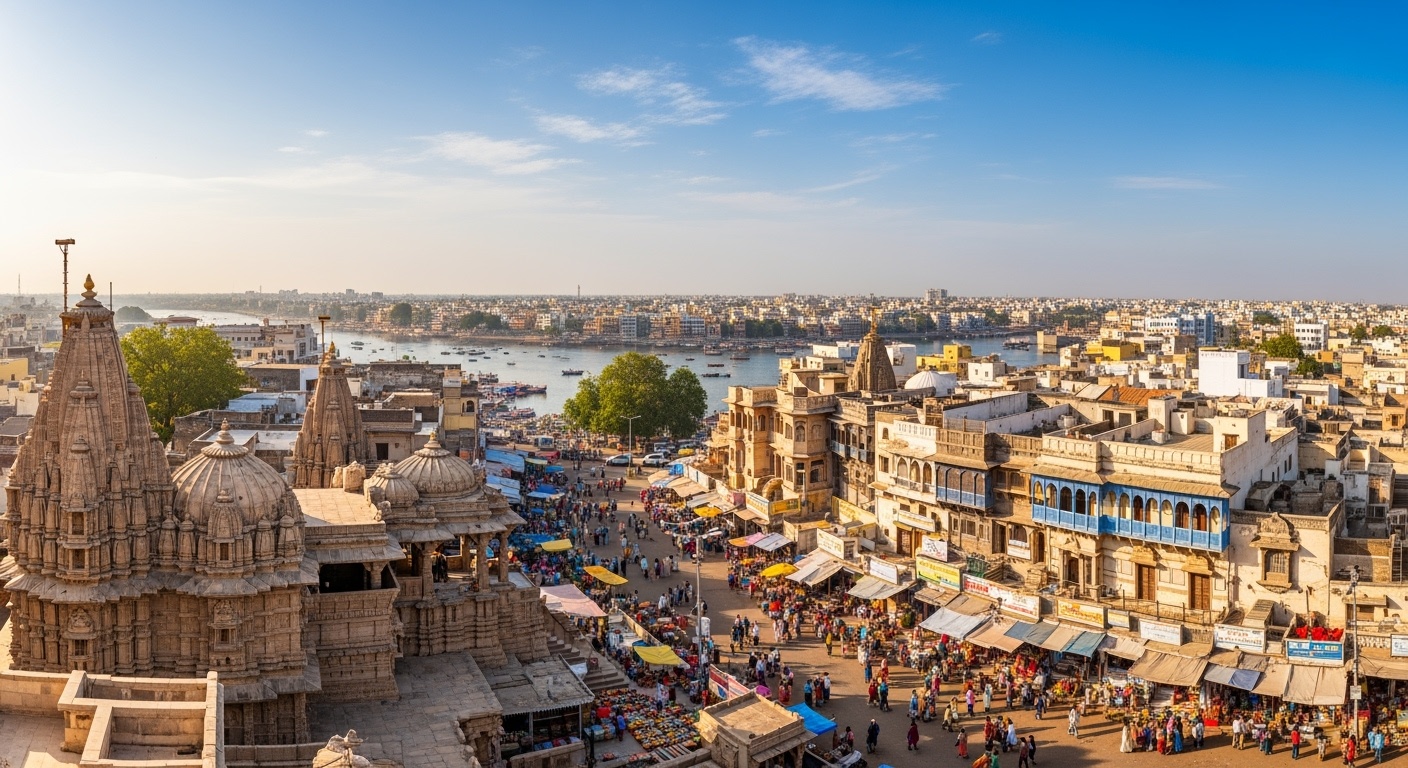
Mehsana, located in the heart of North Gujarat, India, stands as a testament to the rich cultural heritage and historical significance that defines this remarkable region. This vibrant city, situated approximately 75 kilometers from Ahmedabad, the largest city in Gujarat, serves as both a commercial hub and a cultural beacon that attracts visitors from across the globe. With its unique blend of ancient traditions and modern development, Mehsana offers travelers an authentic glimpse into the soul of Gujarat, making it an essential destination for those seeking to understand the deeper currents of Indian culture and history.
The Historical Tapestry of Mehsana
The history of Mehsana stretches back through millennia, weaving a complex narrative that encompasses various dynasties, cultural movements, and historical events that have shaped not only the city but the entire region of North Gujarat. Archaeological evidence suggests that the area around Mehsana has been continuously inhabited since ancient times, with settlements dating back to the Harappan civilization, one of the world's earliest urban civilizations. The strategic location of Mehsana, at the crossroads of important trade routes, has contributed significantly to its historical importance and cultural diversity.
The city's name itself carries historical significance, believed to be derived from 'Mahisa-sthana,' meaning the place of the buffalo, which has mythological connections to the goddess Durga's victory over the demon Mahishasura. This etymological connection underscores the deep spiritual and religious traditions that have long been associated with the region. Throughout the centuries, Mehsana has been ruled by various dynasties, including the Chavda dynasty, the Solanki dynasty, and later the Vaghela dynasty, each leaving their distinctive mark on the city's architecture, culture, and traditions.
During the medieval period, Mehsana gained prominence under the rule of the Gujarat Sultanate, when it served as an important administrative center and military outpost. The Mughal period brought further development and prosperity to the region, with the construction of numerous monuments, gardens, and public works that enhanced the city's infrastructure and aesthetic appeal. The British colonial period introduced modern administrative systems, educational institutions, and transportation networks that connected Mehsana more effectively with other parts of India and facilitated its emergence as a commercial center.
Geographical Significance and Natural Beauty
Mehsana's geographical location in the North Gujarat plain provides it with unique natural advantages that have contributed to its development as an agricultural and industrial center. The region is characterized by its semi-arid climate, with hot summers and mild winters, creating conditions that are ideal for the cultivation of various crops, particularly cotton, cumin, isabgol (psyllium), and fennel. The fertile soil of the region, enriched by centuries of alluvial deposits, supports a diverse agricultural economy that forms the backbone of local livelihoods.
The landscape around Mehsana is dotted with numerous water bodies, including traditional step-wells (vavs or baolis), tanks, and modern irrigation systems that have been crucial in supporting agriculture in this relatively dry region. These water management systems, some dating back several centuries, represent remarkable feats of engineering and demonstrate the ingenuity of past generations in adapting to environmental challenges. The famous Rani ki Vav in nearby Patan, a UNESCO World Heritage Site, exemplifies the architectural and engineering excellence achieved in water conservation structures.
Did You Know?
Mehsana is famous for its Mehsani buffalo breed, which is among the best dairy breeds in India, producing high-quality milk with high fat content. The dairy industry forms a significant part of the local economy.
Cultural Heritage and Traditions
The cultural landscape of Mehsana is incredibly rich and diverse, reflecting centuries of cultural synthesis and the coexistence of various communities. The city is home to people from different religious and ethnic backgrounds, including Hindus, Muslims, Jains, and others, each contributing to the vibrant cultural mosaic that defines Mehsana's identity. This diversity is reflected in the city's festivals, cuisine, arts, and daily life, creating a unique cultural experience for visitors.
Traditional arts and crafts continue to thrive in Mehsana and its surrounding areas. The region is particularly famous for its textile traditions, including the intricate Patola silk sarees from nearby Patan, which are renowned worldwide for their double ikat weaving technique and geometric patterns. Local artisans also excel in wood carving, metalwork, and pottery, preserving age-old techniques that have been passed down through generations. The traditional embroidery work, including various styles like Kutch work and Aari work, showcases the exceptional skill and creativity of local craftspeople.
Music and dance form an integral part of Mehsana's cultural expression. The region resonates with the sounds of traditional Gujarati folk music, including genres like Bhavai, Garba, and Raas. During festivals, especially Navratri, the entire city comes alive with colorful performances of Garba and Dandiya Raas, where people dressed in traditional attire dance in circular formations to rhythmic beats. These cultural expressions are not merely entertainment but serve as important means of preserving and transmitting cultural values, stories, and traditions to younger generations.
Religious and Spiritual Significance
Mehsana holds immense religious and spiritual significance, with numerous temples, mosques, and other religious sites that attract pilgrims and spiritual seekers from across India. The region has been a center of various religious and philosophical movements throughout history, contributing to India's rich spiritual heritage. The presence of ancient temples dedicated to various Hindu deities, Jain temples with intricate architecture, and historic mosques reflects the religious plurality and tolerance that characterizes the region.
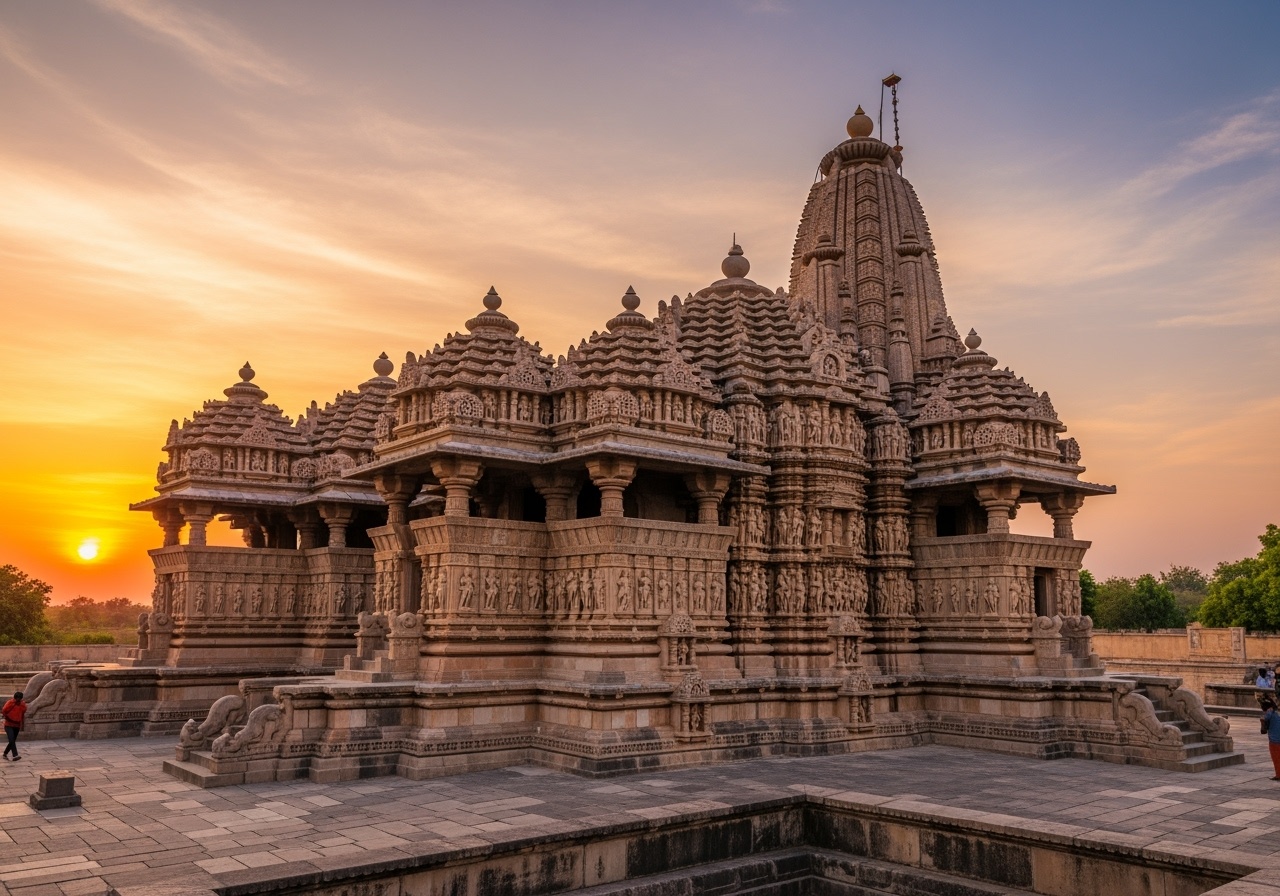
One of the most significant religious sites near Mehsana is the Modhera Sun Temple, located approximately 25 kilometers from the city. Built in the 11th century during the reign of Bhima I of the Chaulukya dynasty, this architectural marvel is dedicated to Surya, the sun god. The temple's intricate carvings, geometric precision, and astronomical alignment demonstrate the advanced knowledge of architecture, mathematics, and astronomy possessed by ancient Indian builders. The temple complex, with its magnificent stepped tank (Surya Kund) and assembly hall (Sabha Mandap), represents one of the finest examples of Solanki-period architecture.
The Becharaji Temple, another important pilgrimage site near Mehsana, is dedicated to Goddess Bahucharaji and attracts thousands of devotees annually. This temple holds special significance for the transgender community and is considered one of the primary pilgrimage sites for hijras (third gender) in India. The temple's unique cultural and religious significance makes it an important site for understanding the diverse religious traditions and social acceptance that have historically characterized Gujarat society.
Economic Development and Modern Mehsana
In recent decades, Mehsana has emerged as an important economic center in North Gujarat, with a diverse economy that encompasses agriculture, dairy farming, oil and gas production, and various industries. The discovery of oil and natural gas reserves in the region has significantly contributed to economic development, with the Oil and Natural Gas Corporation (ONGC) establishing major operations in the area. This has brought employment opportunities, infrastructure development, and increased prosperity to the region.
The dairy industry represents another cornerstone of Mehsana's economy. The Dudhsagar Dairy, one of Asia's largest dairy plants, is located in Mehsana and processes millions of liters of milk daily. This cooperative dairy movement has transformed the lives of thousands of farmers in the region, providing them with stable incomes and access to modern dairy farming techniques. The success of the dairy cooperative model in Mehsana has become a case study in rural development and cooperative economics.
Small and medium-scale industries have also flourished in Mehsana, particularly in sectors such as textiles, engineering, and food processing. The city's strategic location, good connectivity, and availability of skilled labor have attracted investments in various sectors. The development of industrial estates and the promotion of entrepreneurship have created employment opportunities for the local population and contributed to the region's economic diversification.
Educational and Intellectual Traditions
Mehsana has a strong tradition of education and learning, with numerous educational institutions that cater to students from the region and beyond. The city is home to several colleges and technical institutions that offer education in various fields, including engineering, medicine, agriculture, and humanities. The North Gujarat University, located in nearby Patan, serves as the primary higher education institution for the region, offering undergraduate and postgraduate programs in multiple disciplines.
The emphasis on education in Mehsana reflects the broader Gujarati cultural value placed on learning and knowledge acquisition. Many families in the region prioritize education for their children, seeing it as a pathway to social mobility and economic prosperity. This educational culture has produced numerous professionals, entrepreneurs, and scholars who have made significant contributions in various fields both within India and internationally.
Traditional forms of knowledge and learning also continue to be preserved and transmitted in Mehsana. Sanskrit schools, religious institutions, and traditional craft guilds maintain age-old systems of knowledge transmission, ensuring that ancient wisdom and skills are not lost to modernization. This balance between modern education and traditional knowledge systems creates a unique intellectual environment that enriches the cultural life of the city.
Culinary Delights of Mehsana
The cuisine of Mehsana offers a delightful journey through the flavors of Gujarat, with dishes that reflect the region's agricultural abundance, cultural diversity, and culinary creativity. Gujarati cuisine is predominantly vegetarian, and Mehsana's food culture exemplifies this tradition with an array of delicious vegetarian dishes that showcase the versatility of vegetables, lentils, and grains. The use of unique combinations of spices, the balance of sweet and savory flavors, and the emphasis on nutrition make Mehsani cuisine both distinctive and memorable.
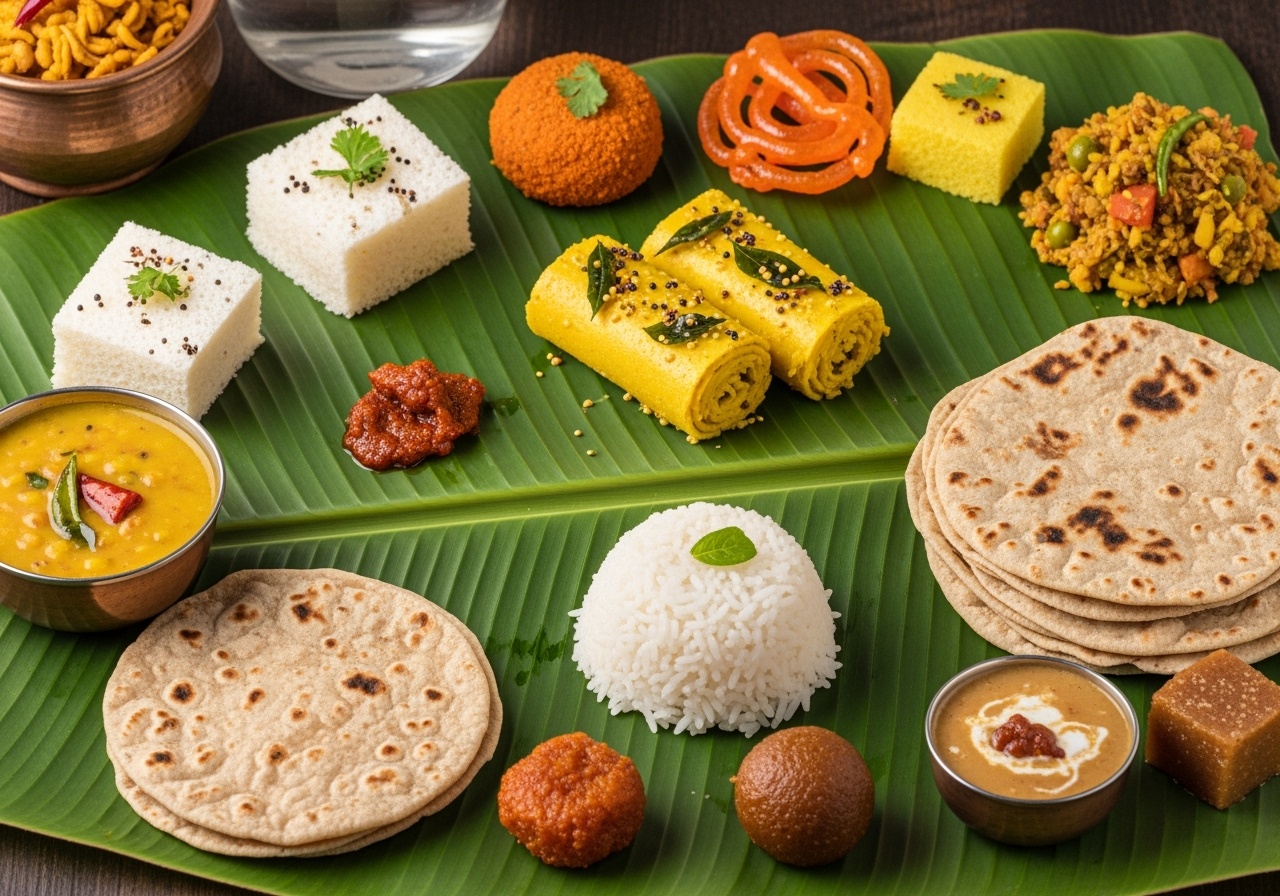
Traditional Gujarati thali, a complete meal served on a large plate with multiple small bowls, represents the epitome of local culinary tradition. A typical Mehsani thali might include dishes such as dal (lentil curry), kadhi (yogurt-based curry), various vegetable preparations (shaak), rotli (flatbread), rice, pickles, chutneys, and sweets. Each component of the thali is carefully prepared to create a harmonious balance of flavors, textures, and nutritional value. The sequence in which dishes are served and consumed follows traditional patterns that have been refined over generations.
Must-Try Local Delicacies
- Dhokla - Steamed savory cake made from fermented rice and chickpea batter
- Khandvi - Delicate rolls made from gram flour and yogurt
- Undhiyu - Mixed vegetable dish specially prepared during winter
- Fafda-Jalebi - Popular breakfast combination of crispy snack and sweet
- Methi na Gota - Fritters made with fenugreek leaves and gram flour
Street food culture thrives in Mehsana, with numerous vendors offering quick, affordable, and delicious snacks throughout the day. Popular street foods include khaman, a soft and spongy steamed cake; sev khamani, crumbled khaman topped with sev; dabeli, a spiced potato sandwich; and various chaats that combine crispy elements with tangy chutneys and yogurt. These street foods not only satisfy hunger but also serve as social gathering points where people from different walks of life come together.
Festivals and Celebrations
The festival calendar of Mehsana is packed with colorful celebrations that reflect the region's religious diversity and cultural richness. Each festival brings its own unique traditions, rituals, foods, and forms of celebration, creating a year-round cycle of joyous occasions that strengthen community bonds and preserve cultural heritage. The enthusiasm and participation seen during festivals in Mehsana demonstrate the deep connection people maintain with their traditions despite modernization.
Navratri, the nine-night festival dedicated to Goddess Durga, is perhaps the most spectacular celebration in Mehsana. The entire city transforms into a vibrant canvas of colors, lights, and music during this period. Elaborate Garba and Dandiya Raas performances are organized in various venues, from small neighborhood gatherings to large-scale events that attract thousands of participants. People dress in traditional attire - women in colorful chaniya cholis and men in kediyus and dhoti-kurtas - creating a visual spectacle that captures the essence of Gujarati culture.
Diwali, the festival of lights, is celebrated with great fervor in Mehsana. Homes and shops are decorated with oil lamps (diyas) and electric lights, creating a magical atmosphere throughout the city. The tradition of creating rangoli (decorative patterns) at entrances, preparing special sweets and snacks, exchanging gifts, and performing Lakshmi puja (worship of the goddess of wealth) brings families and communities together. The business community particularly celebrates Diwali as it marks the beginning of the new financial year according to traditional accounting practices.
Makar Sankranti, celebrated in January, holds special significance in Mehsana as it marks the winter harvest and the beginning of longer days. The festival is celebrated with kite flying competitions that fill the sky with colorful kites of various shapes and sizes. The traditional foods prepared during this festival, including til-gud (sesame and jaggery sweets), undhiyu, and chikkis, reflect the seasonal availability of ingredients and the nutritional needs during winter.
Architecture and Urban Development
The architectural landscape of Mehsana presents a fascinating blend of historical monuments, traditional residential architecture, and modern urban development. This architectural diversity tells the story of the city's evolution through different periods and reflects the changing needs, aspirations, and capabilities of its inhabitants. From ancient temples and step-wells to colonial-era buildings and contemporary structures, Mehsana's built environment offers insights into various architectural styles and construction techniques.
Traditional residential architecture in Mehsana, particularly in the older parts of the city, showcases the indigenous architectural wisdom developed over centuries to cope with the local climate and lifestyle requirements. The traditional houses, known as havels, feature central courtyards (chowks) that provide natural ventilation and light while maintaining privacy. Intricate wooden carvings on doors, windows, and brackets demonstrate the high level of craftsmanship that was invested in residential construction. These architectural elements not only served functional purposes but also expressed the social status and cultural values of the inhabitants.
The step-wells or vavs in and around Mehsana represent one of the most distinctive architectural contributions of the region. These subterranean water storage structures, built between the 7th and 19th centuries, combine utilitarian function with aesthetic excellence. The elaborate carved panels, pillared pavilions, and sculptural decorations found in these step-wells transform them from mere water storage facilities into architectural monuments. They served as cool retreats during hot summers and as community gathering spaces, playing important social and cultural roles beyond their primary function.
Transportation and Connectivity
Mehsana's strategic location and well-developed transportation infrastructure make it easily accessible from major cities in Gujarat and other parts of India. The city serves as an important junction in the state's transportation network, facilitating the movement of people and goods throughout North Gujarat. This connectivity has been crucial in Mehsana's development as a commercial hub and has made it an convenient base for tourists exploring the region's attractions.
The railway network connects Mehsana to major cities including Ahmedabad, Mumbai, Delhi, and other important destinations across India. The Mehsana Junction railway station, one of the oldest in the region, serves as an important stop on several major railway routes. The regular train services, including express and passenger trains, provide affordable and comfortable transportation options for both daily commuters and long-distance travelers. The ongoing modernization of railway infrastructure promises to further improve connectivity and travel comfort.
Road connectivity in Mehsana is excellent, with well-maintained highways connecting the city to surrounding areas. The National Highway 48 (formerly NH-8) passes near Mehsana, providing direct access to major cities like Ahmedabad and Udaipur. State highways and district roads create a comprehensive network that reaches even remote villages, facilitating trade, tourism, and daily commuting. The state transport corporation operates regular bus services that connect Mehsana with various destinations, offering affordable transportation options for all segments of society.
Tourism Infrastructure and Attractions
The tourism infrastructure in Mehsana has developed significantly in recent years, with improvements in accommodation, dining, and tourist facilities. Hotels ranging from budget to mid-range categories cater to different types of travelers, while the growing hospitality sector ensures comfortable stays for visitors. Tourist information centers, guided tour services, and improved signage at historical sites have made it easier for tourists to explore the region's attractions independently or with professional assistance.
Beyond the famous Modhera Sun Temple and Becharaji Temple, Mehsana district offers numerous attractions that showcase its diverse heritage. The Thol Lake Bird Sanctuary, located about 25 kilometers from Mehsana, is a paradise for bird watchers, especially during winter when migratory birds visit the lake. The sanctuary provides opportunities to observe various species of waterfowl, waders, and other birds in their natural habitat, making it an important destination for nature enthusiasts and photographers.

The region's numerous historical sites include ancient temples, medieval mosques, colonial-era buildings, and traditional villages that preserve authentic rural life. Villages like Patan, famous for its Patola weaving, offer cultural tourism experiences where visitors can witness traditional crafts being practiced and interact with artisans. These cultural tourism initiatives not only provide economic benefits to local communities but also help preserve traditional arts and crafts that might otherwise disappear.
Environmental Conservation and Sustainability
Environmental conservation has become an increasingly important concern in Mehsana, with various initiatives aimed at preserving natural resources and promoting sustainable development. The region faces challenges related to water scarcity, groundwater depletion, and environmental degradation, which have prompted both government and civil society organizations to implement conservation measures. These efforts include rainwater harvesting, promotion of drip irrigation, afforestation programs, and awareness campaigns about environmental protection.
Traditional water conservation practices, which had been neglected during periods of modernization, are being revived and integrated with modern techniques. The restoration of old step-wells and tanks not only preserves architectural heritage but also contributes to groundwater recharge and water conservation. Community participation in these conservation efforts has been crucial, with local groups taking responsibility for maintaining water bodies and green spaces.
Renewable energy adoption is gaining momentum in Mehsana, with solar power installations becoming increasingly common. The abundant sunshine in the region makes solar energy a viable alternative to conventional power sources. Government incentives and growing environmental awareness have encouraged both residential and commercial adoption of solar technology, contributing to reduced carbon emissions and energy security.
Social Life and Community
The social fabric of Mehsana is characterized by strong community bonds, traditional values, and increasing modernization. Extended family systems, though evolving, continue to play important roles in social organization and support. Community organizations, including caste associations, religious groups, and professional bodies, provide platforms for social interaction, mutual support, and collective action. These organizations often undertake charitable activities, educational initiatives, and cultural programs that benefit the broader community.
Women in Mehsana are increasingly participating in education, employment, and entrepreneurship, challenging traditional gender roles while maintaining cultural values. Women's self-help groups and cooperatives have emerged as important vehicles for economic empowerment and social change. The dairy cooperative movement, in particular, has provided women with opportunities for economic participation and leadership development.
Youth culture in Mehsana reflects the tensions and opportunities of a rapidly changing society. Young people navigate between traditional expectations and modern aspirations, often creating hybrid identities that incorporate both local and global influences. Educational opportunities, exposure to digital media, and changing employment patterns are reshaping youth perspectives and life choices. The challenge for Mehsana, as for many Indian cities, is to provide opportunities that allow youth to pursue their aspirations while maintaining connections to their cultural roots.
Healthcare and Medical Facilities
Healthcare infrastructure in Mehsana has improved significantly over the years, with both government and private healthcare facilities providing medical services to the population. The district hospital and various primary health centers form the backbone of public healthcare delivery, offering affordable medical care to all sections of society. Private hospitals and clinics complement the public healthcare system, providing specialized services and advanced medical treatments.
Traditional medical systems, including Ayurveda and homeopathy, continue to be popular in Mehsana, with many people preferring these systems for certain conditions or as complementary treatments. The integration of traditional and modern medicine reflects the pragmatic approach to healthcare adopted by many residents. Medical education institutions in the region train healthcare professionals who serve both local and wider communities.
Public health initiatives focusing on maternal and child health, immunization, and disease prevention have contributed to improved health indicators in the region. However, challenges remain in areas such as malnutrition, non-communicable diseases, and healthcare access in remote areas. Community health workers and innovative healthcare delivery models are being employed to address these challenges and ensure universal healthcare access.
Sports and Recreation
Sports and recreational activities play important roles in the social life of Mehsana, with both traditional and modern sports enjoying popularity. Cricket, as in most parts of India, commands tremendous following, with local tournaments and matches drawing enthusiastic crowds. Football, volleyball, and kabaddi also have dedicated followings, with schools and clubs organizing regular competitions. Traditional sports like kho-kho and wrestling (kushti) maintain their cultural significance, especially during festivals and special occasions.
The development of sports infrastructure, including stadiums, playgrounds, and indoor facilities, has encouraged greater participation in sports activities. Government programs promoting sports in schools and communities have identified and nurtured talented athletes who have gone on to compete at state and national levels. Sports are increasingly recognized not just as recreational activities but as means of character building, health promotion, and career development.
Recreational facilities such as parks, gardens, and community centers provide spaces for leisure and social interaction. The growing awareness of lifestyle diseases has led to increased participation in fitness activities, with gymnasiums, yoga centers, and walking tracks becoming popular among health-conscious residents. These recreational spaces serve important social functions, providing venues for community gatherings, cultural events, and informal social interactions.
Future Prospects and Development Vision
The future of Mehsana appears promising, with various development initiatives aimed at enhancing infrastructure, promoting economic growth, and improving quality of life. Smart city initiatives, though in early stages, promise to leverage technology for better urban governance and service delivery. Plans for industrial corridors, improved transportation infrastructure, and tourism development indicate the ambitious vision for the city's future.
Sustainable development has become a key consideration in planning Mehsana's future, with emphasis on balancing economic growth with environmental protection and social equity. The challenge lies in managing urbanization while preserving the city's cultural heritage and environmental resources. Participatory planning processes that involve citizens in decision-making are being explored to ensure that development reflects community needs and aspirations.
The emphasis on skill development and entrepreneurship promises to create new economic opportunities for Mehsana's growing population. Educational institutions are adapting curricula to meet changing industry requirements, while incubation centers and startup support programs encourage innovation and enterprise. The vision is to transform Mehsana into a knowledge hub that leverages its human capital for sustainable economic development.
Conclusion: The Essence of Mehsana
Mehsana stands as a remarkable example of how Indian cities can maintain their cultural identity while embracing modernization and development. The city's rich historical heritage, vibrant cultural life, economic dynamism, and social resilience make it a fascinating destination for travelers seeking authentic experiences. Whether one is interested in exploring ancient architecture, experiencing colorful festivals, understanding traditional crafts, or witnessing contemporary Indian life, Mehsana offers diverse and enriching experiences.
The warmth and hospitality of Mehsana's people, their pride in their heritage, and their optimism about the future create an atmosphere that welcomes visitors and makes them feel at home. The city's ability to preserve traditions while adapting to change demonstrates the resilience and creativity that characterize Indian society. For travelers, Mehsana offers not just tourist attractions but opportunities for cultural immersion and meaningful interactions that create lasting memories.
As Mehsana continues to evolve and develop, it maintains its essential character as a city that bridges past and present, tradition and modernity, local and global. This dynamic balance makes Mehsana not just a destination to visit but a place to experience and understand the complexities and richness of contemporary India. The city invites travelers to explore its streets, interact with its people, taste its cuisine, participate in its festivals, and discover the many layers of meaning that make Mehsana a unique and unforgettable destination in Gujarat's cultural landscape.
For those planning to visit Mehsana, the city promises a journey that engages all senses and touches the heart. From the spiritual experience of ancient temples to the energy of modern markets, from the tranquility of rural landscapes to the bustle of urban life, Mehsana offers a complete and authentic Indian experience. The city stands ready to share its treasures with those who come with open minds and hearts, promising discoveries that will enrich understanding and create connections that transcend geographical and cultural boundaries.